“I walk with my head held high. I’m not afraid of anyone or anything. And I’m proud of who I’ve become.”
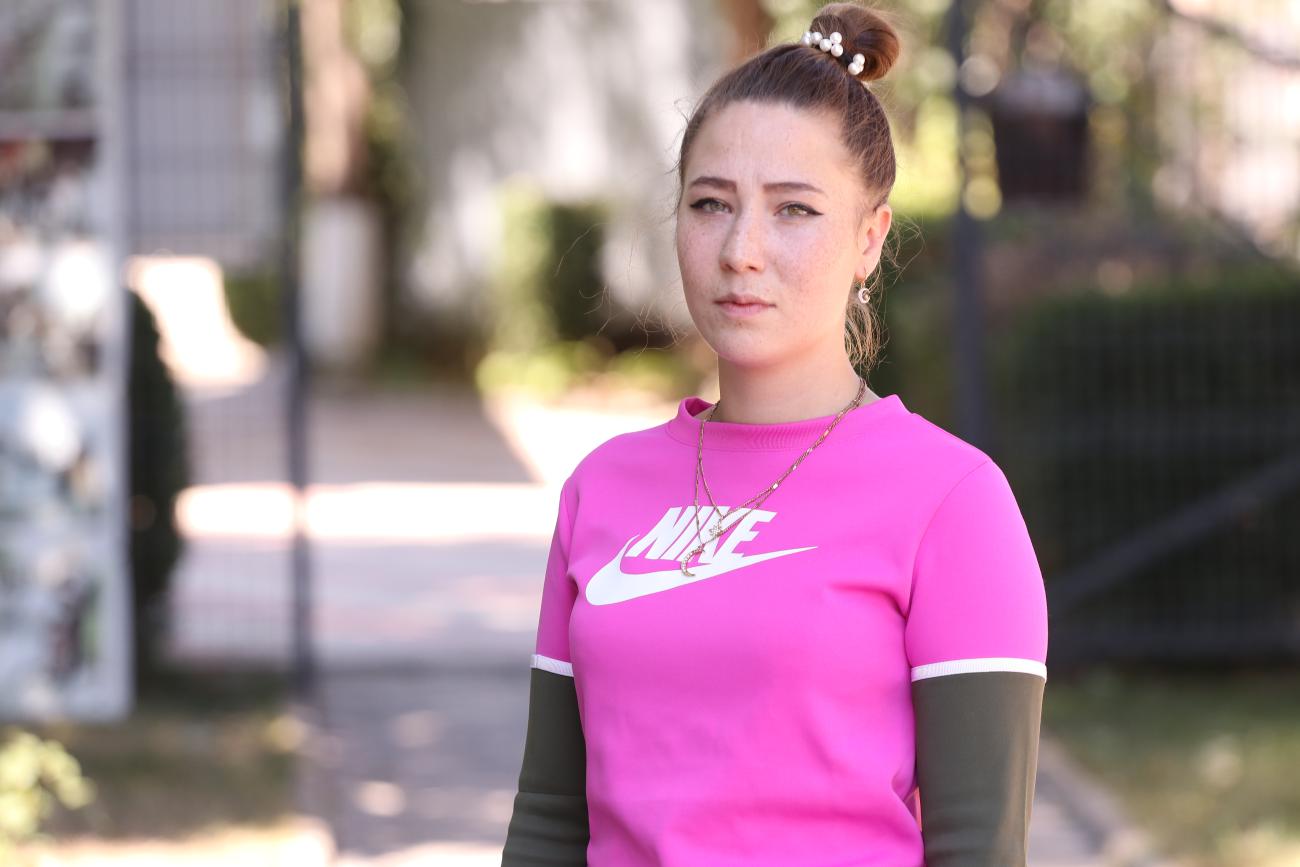
There are forms of violence that leave no marks on the skin yet carve deep wounds in the soul.
Ana-Maria’s is one of many stories of women who have been hurt by silence, shame, and fear. During these 16 Days of Activism against Gender-Based Violence, she reminds us that violence is about humiliation, stigma, and the loss of self-worth. Above all, her story speaks about the power to be reborn, about the healing that begins the moment someone listens and believes in your right to a life of dignity.
For years, Ana-Maria lived in fear of being judged, burdened by shame, and trapped in the quiet pain of loneliness. “I started using hard drugs when I was 13. I gave birth at 16. I had no future, no direction. I was in and out of prison more than once, every time I got out, I went back to the same vicious circle. I lived with a man for four and a half years. After our child was born, I found out I had HIV. He was the one who took me to get tested. When I learned the result, I had no idea what to do next. I felt horrible, an emptiness so deep that I tried to drown it in drugs.”
Her child was only two years old at the time. For a long while, Ana-Maria refused treatment. She knew everything about HIV, yet she couldn’t believe she could live with it. She felt the weight of stigma from those around her. She stopped caring for herself. She didn’t want to go anywhere, didn’t even step outside during the day. She only went out at night, hiding from the world.
The day she was released from prison for the last time, Ana-Maria learned that her father had died. “That’s when I realized there are things even harder to face. You get out of prison and you don’t know which way to go. The first thing I did was to go see my child. And that’s when I met Tatiana. She invited me to join the mentoring group. Those meetings helped me make peace with myself. They taught me how to enjoy the little things you discover when you stop using drugs, like watching your child ride a bike, going to the pool with your family, or buying a gift for your mother.”
The mentoring program for people living with or affected by HIV, organized by UNAIDS Moldova under the UN Joint Programme “Strengthening Human Rights on Both Banks of the Nistru River”, became a turning point in her life. “The talks we had in the mentoring group helped me get through my crises. They made me ask questions, understand myself better. I needed support to stop feeling alone. When you speak with people who have lived through what you’ve lived, it becomes easier and more meaningful. At first, I was ashamed to talk. But then I relaxed. I realized I wasn’t alone and that gave me courage.”
Slowly, she learned to manage her emotions. She also learned to stand up for her rights. “When I got a job, I was afraid they would discriminate against me that they’d find out about my HIV status.
But during the mentoring sessions, I learned that no one has the right to share that information, and that I cannot be rejected just because of it.”
Ana-Maria’s mother says she’s proud of her and “of who she is now.” Ana-Maria smiles. “She loved me even back when I was using drugs. But now I’ve become the person I always dreamed of being, strong, responsible for my life and my child’s life, and for what I do. I have a job. I’m not ashamed to talk to anyone. I can have a conversation about anything, even though I was never a sociable person before. I used to be afraid of people.”
Today, Ana-Maria works as a call-center operator and she truly enjoys it. She works with people, listens to them, and keeps learning how to communicate. In her team she feels accepted, no longer an outsider. She now lives in the present, not in the past. She dreams of having a family, going to the seaside, getting a driver’s license, and buying a car. And she knows she can make those dreams come true.
When Ana-Maria looks back, she feels a mix of sadness and gratitude.
"By the time I was 24, my life, which should have been about friends, fun and graduation parties, had been about prison, drugs and needles. I used to see life through dark glasses. But now I’ve learned that happiness can mean something else, that you can be happy for something simple: for a day lived with meaning. Today, I walk with my head held high. I’m not afraid of anyone or anything. And I’m proud of myself.”
***
Russian version of the story here


UN entities involved in this initiative
Goals we are supporting through this initiative